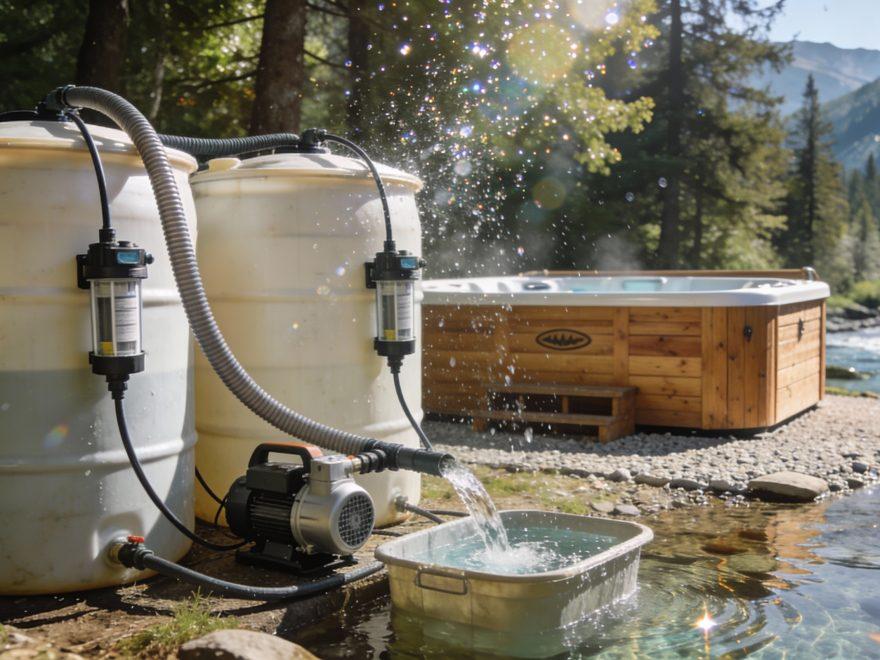
Off-grid hot tub installations often necessitate sourcing water from natural bodies rather than municipal supplies, introducing sediment, organic matter, and microorganisms that compromise water quality and equipment longevity. Implementing a multi-stage filtration protocol transforms raw surface water into safe, clean hot tub water while protecting wood staves and heating components from premature degradation.
Pre-Filtration Assessment and Source Selection
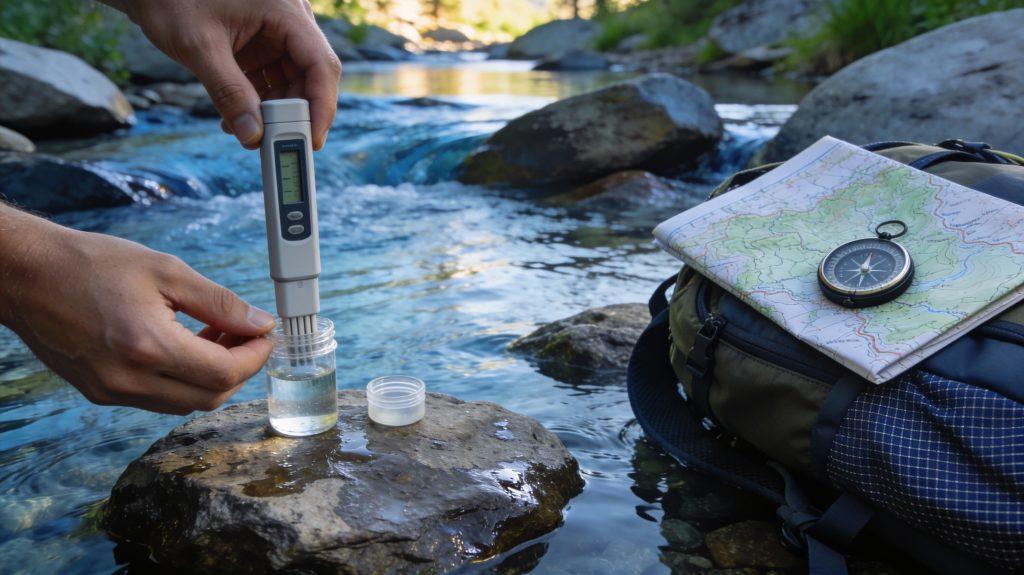
Not all natural water sources provide equal starting quality for hot tub applications. Select upstream collection points at least 100 meters above any visible human activity, livestock access, or marshy areas where organic decomposition elevates bacterial loads. Test source water for total dissolved solids (TDS) before committing to a location—readings above 500 ppm require reverse osmosis treatment that’s impractical for hot tub volumes, while readings below 300 ppm need only basic filtration. Spring-fed streams offer superior baseline quality compared to stagnant ponds, with naturally lower turbidity and higher dissolved oxygen that inhibits anaerobic bacterial growth.
Three-Stage Filtration System Design
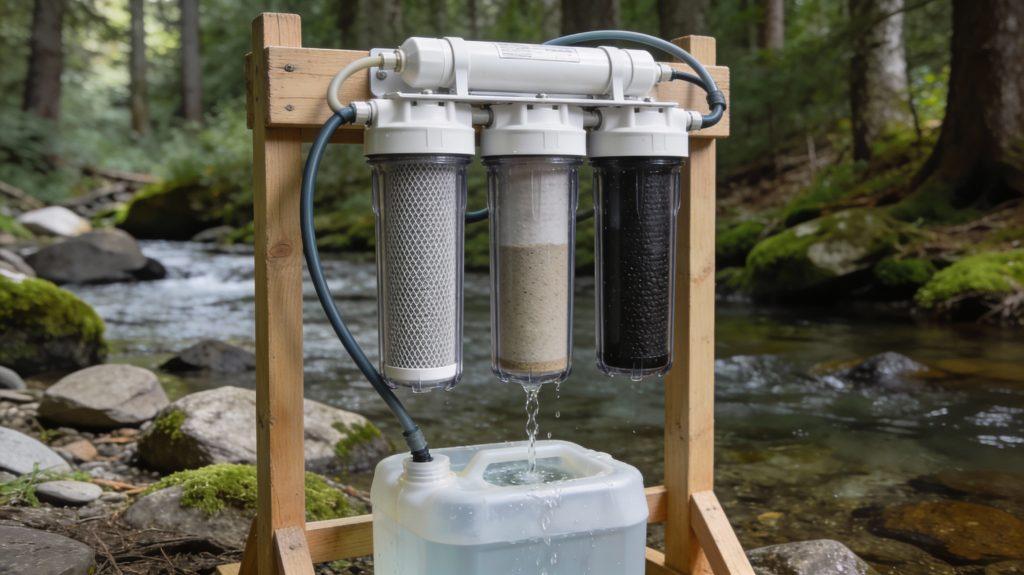
Effective natural water treatment requires progressive filtration stages that address particles from largest to microscopic. Install a 100-mesh stainless steel basket strainer as your first stage, capturing leaves, twigs, and debris larger than 150 microns before they enter your pumping system. Follow with a 20-micron sediment filter using pleated polyester cartridges that trap silt, fine sand, and algae particles—expect to replace these cartridges every 2,000-3,000 liters in turbid conditions. Complete the mechanical filtration with a 5-micron carbon block filter that removes dissolved organics, tannins, and residual color while improving taste and odor characteristics.
UV Sterilization for Microbial Control
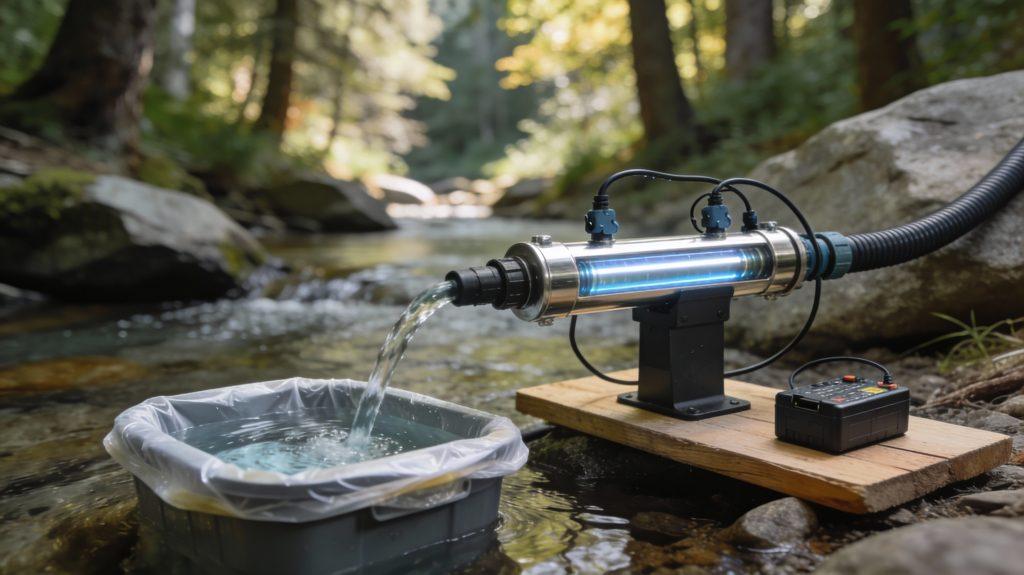
Mechanical filtration removes particles but doesn’t eliminate bacteria, protozoa, or viruses present in surface water. Install a UV sterilization unit rated for 40 millijoules per square centimeter (mJ/cm²) as your final treatment stage before water enters the hot tub. Size your UV unit to match flow rate—for gravity-fed systems averaging 15-20 liters per minute, select units with 12-watt lamps that provide adequate contact time for 99.99% pathogen elimination. Replace UV bulbs annually regardless of visible function, as germicidal effectiveness degrades 20-30% after 9,000 operating hours even when lamps still illuminate.
Seasonal Water Quality Variations
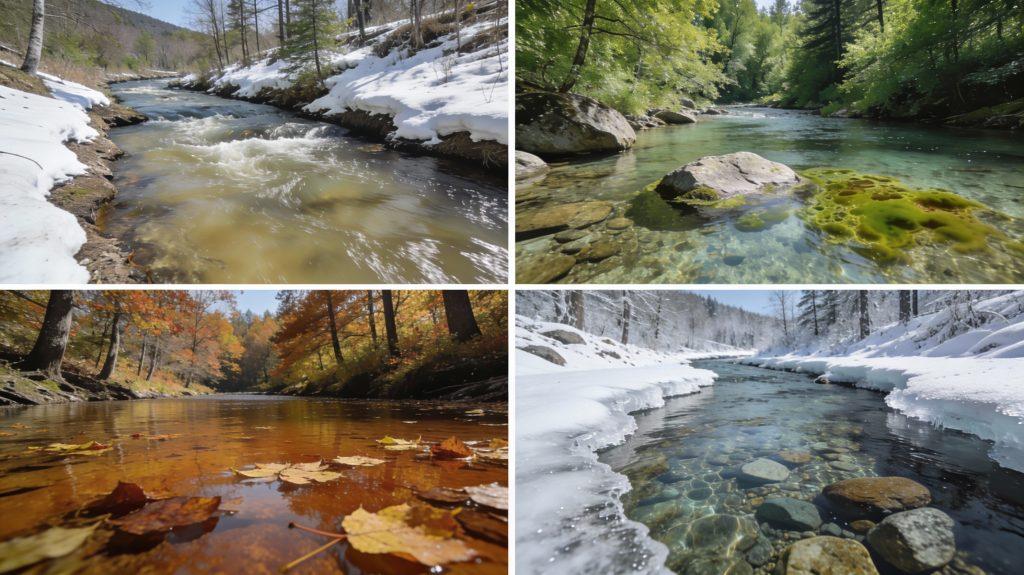
Natural water chemistry fluctuates dramatically with seasons, requiring adaptive filtration strategies. Spring runoff introduces peak sediment loads and agricultural contaminants—increase sediment filter changes to every 1,500 liters and add a secondary 10-micron pre-filter during April through June. Summer algae blooms elevate organic content; supplement carbon filtration with a chitosan-based clarifier added at the collection tank at 15ml per 100 liters to aggregate microscopic particles into filterable sizes. Winter ice-over periods provide the cleanest source water with minimal turbidity, allowing extended filter intervals and reduced chemical pretreatment.
Hard Water Mitigation Strategies
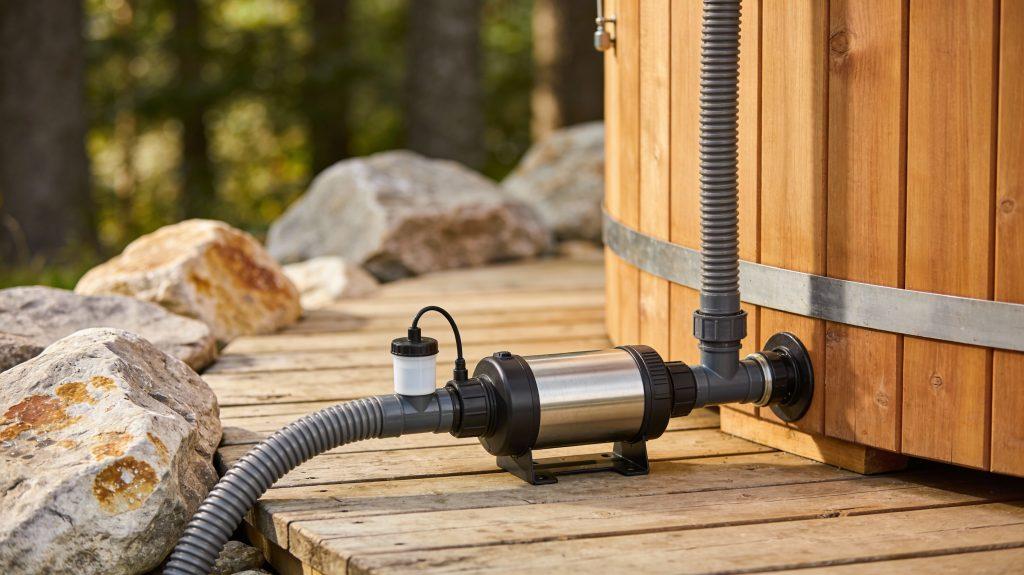
Many mountain streams and lakes contain elevated calcium and magnesium concentrations that create scale buildup on wood-fired heaters and staining on wood staves. For hardness readings between 250-400 ppm, install an inline polyphosphate feeder that prevents scale formation without removing beneficial minerals. Mix polyphosphate crystals at 50 grams per 1,000 liters of source water, allowing 30-minute contact time before final UV treatment. Extremely hard water above 400 ppm requires batch treatment with citric acid—add 100 grams per 1,000 liters to your holding tank, circulate for 2 hours, then proceed through standard filtration stages.
Portable Filtration for Remote Locations
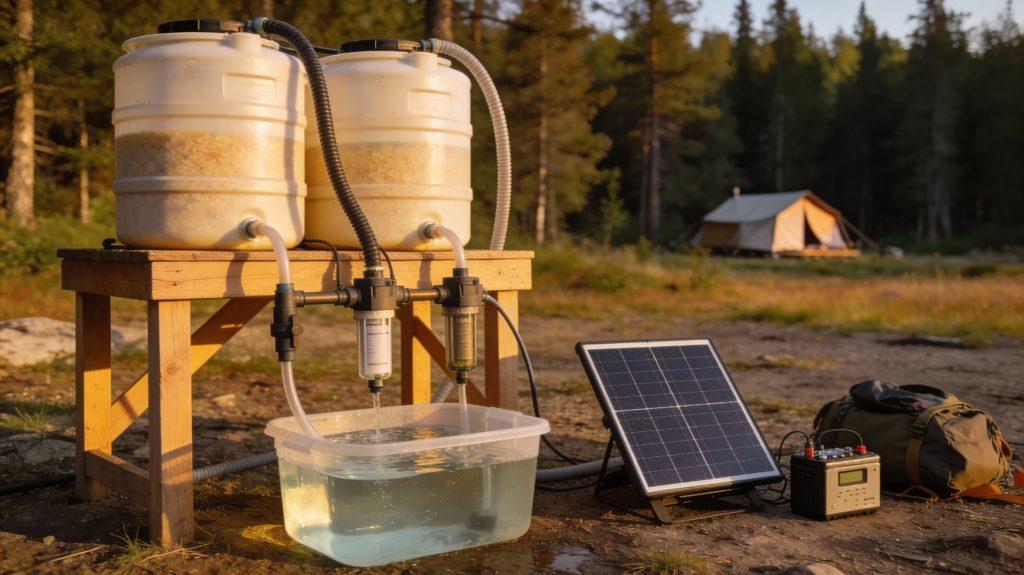
When permanent filtration infrastructure isn’t feasible, portable gravity-fed systems provide viable alternatives for seasonal cabins or mobile hot tub setups. Connect two 200-liter food-grade drums vertically, installing filter housings between them to create a gravity-powered treatment train. The upper drum serves as your raw water collection tank, feeding through sediment and carbon filters into the lower drum that functions as treated water storage. Add a battery-powered UV wand for final sterilization treatment, circulating it through the lower tank for 10 minutes per 100 liters before transferring to your hot tub.